Gas Generators

Understanding Atmosphere Gas Generators
An atmosphere gas generator produces and supplies a controlled protective or reactive gas directly to a heat treating furnace. Rather than relying on bottled or bulk-supplied gases, on-site generators convert natural gas into a consistent, purpose-built atmosphere that is delivered continuously at the volume and chemistry your process requires. The right atmosphere prevents oxidation, enables precise carbon control, or creates the reactive environment needed to achieve specified metallurgical results. Choosing the correct generator type is one of the most consequential decisions in furnace system design.
Surface Combustion pioneered endothermic gas development for controlled atmosphere heat treating and has manufactured both endothermic and exothermic generators for over a century. Our RX® Endothermic and DX® Exothermic gas generators serve distinct — and in some cases complementary — roles across the full range of thermal processing applications.
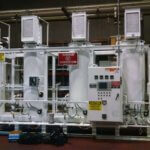
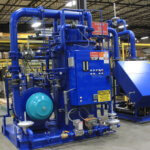
An Industry Guide to Atmospheres Used in Heat Treating Furnaces
Discover the best atmosphere for your heat treat application in the Surface Combustion Yellow Book. Our guide offers an overview of atmospheres used in heat treating furnaces. In addition to your furnace choice, the generation application and proper control of the treating atmosphere are critical factors in the heat treat process.

RX® Endothermic vs. DX® Exothermic: Which Generator Is Right for Your Process?
The fundamental difference comes down to what your process demands from the atmosphere. Endothermic generators require external heat and a catalyst to crack natural gas into a precisely controlled mixture of nitrogen, hydrogen, and carbon monoxide, making them the standard choice for carbon-controlled processes like carburizing and carbonitriding. Exothermic generators, by contrast, use the heat of combustion to produce a lower-cost protective atmosphere suited to annealing, normalizing, brazing, and bluing applications where carbon potential control is not required.
| RX® Endothermic | DX® Exothermic | |
|---|---|---|
| Atmosphere composition | ~40% N₂, 40% H₂, 20% CO | 4–10% CO/H₂ (lean or rich) |
| Primary processes | Carburizing, carbonitriding, neutral hardening | Annealing, normalizing, bluing, brazing |
| Carbon potential control | Precise (required for carburizing) | Not applicable |
| Capacity range | 2,000–15,000 CFH | 4,000–30,000 CFH |
| Turndown ratio | 6:1 | 2:1 |
| Relative operating cost | Higher (catalyst, heat input) | Lower (combustion-based) |
| Typical industries | Automotive, aerospace, gears, fasteners | Pipe/tube/wire, motors, food processing |
If your operation involves carburizing steel gears, fasteners, or aerospace components, the RX® is the proven solution. If you need a cost-effective protective atmosphere for bright annealing strip, wire, or pipe — or for food processing and motor lamination applications — the DX® delivers reliable performance at lower operating cost.
Retrofit Resource Parts
We want to maximize your investment and we have a variety of innovative retrofit resource parts that can be applied to your existing furnace to improve efficiency, minimize repairs, and extend equipment life. Our technicians can install Surface retrofit parts during regularly scheduled maintenance shutdowns so your equipment downtime is as minimal as possible.
Learn More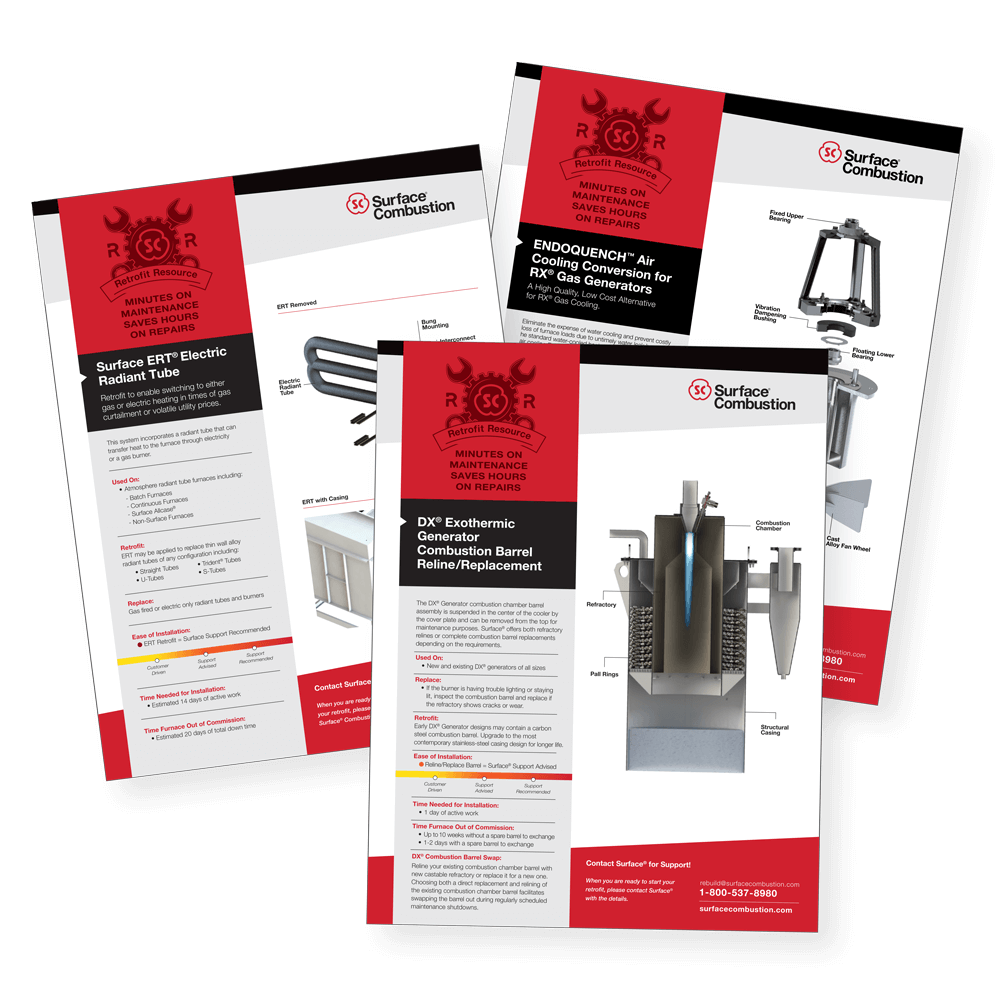
Other products:
AX® Endothermic Atmosphere Gas Generators With Steam Addition
NX® Nitrogen Atmosphere Gas Generators
HNX® High Nitrogen Atmosphere Gas Generators
SRX™ Endothermic Atmosphere Gas Generators
IRX™ Methanol Dissociators
MX™/MRX® Endothermic Atmosphere Gas Generators With Steam AdditionEndothermic Atmosphere Gas Generators With Steam Addition
